Choosing the Right Metal Bed Frame: A Practical Guide to Steel, Iron, and Alloy Options
In the quiet cadence of a bedroom, the bed frame is more than a supporting structure—it is a steward of sleep, a keeper of posture, and a silent partner in the rituals of rest. Metal bed frames, celebrated for their durability, understated elegance, and timeless appeal, come in a spectrum of alloys and finishes. This guide surveys the core materials—steel, iron, and aluminum—alongside construction considerations, maintenance rituals, and how to match a frame to your mattress, room, and lifestyle. The aim is practical clarity: to help you select a frame that not only endures but also enhances the room’s character and your nightly well-being.
1) Material profiles: steel, iron, and aluminum
Metal bed frames anchor their strength in the inherent properties of the metal and in how those metals are processed. Each material—steel, iron, and aluminum—brings a distinct balance of weight, rigidity, beauty, and corrosion resistance. Understanding these nuances helps you align a frame with your sleep needs and room aesthetics.
- Steel: The workhorse of modern bed frames. Steel is renowned for high tensile strength, durable performance, and resistance to bending under load. Modern steel frames are often galvanized or treated with powder coatings to resist corrosion, vandal-proof wear, and scratches. They typically offer excellent weight capacity with relatively light overall weight, making assembly easier and transport less taxing. Steel frames are especially well-suited to shared beds or heavier mattresses, where stability and long-term reliability are valued.
- Iron: Traditional and visually resonant, iron frames evoke classic or industrial aesthetics. Wrought iron or cast iron provides a robust, decorative profile, often accompanied by a heavier feel and a distinctive patina as finishes age. Iron frames can be exceptionally durable, but their weight can complicate mobility and setup. Finishes range from powder-coated to enamel or antique patinas, each contributing to the character of a room.
- Aluminum: Lighter than steel and iron, aluminum frames bring a modern, minimalist line to interior spaces. While generally not as heavy as their steel cousins—potentially translating to easier handling—their perceived durability can vary with design. Aluminum frames often feature corrosion-resistant finishes that hold up well in humid environments. They suit contemporary aesthetics and tight spaces where weight is a practical constraint.
Beyond the metal itself, the frame’s construction matters as much as the material. Rigid joints, well-supported legs, and integrated cross-bracing contribute to wobble resistance and longevity. The choice between steel, iron, and aluminum should be guided by the mattress system a frame must support, the room’s layout, and how the bed will be used—whether it’s a quiet retreat or a high-traffic centerpiece in a shared bedroom.
2) How frame construction influences durability and weight capacity
Durability is twofold: the metal’s intrinsic strength and the frame’s construction. A well-engineered frame distributes weight through a combination of rail supports, robust cross-bracing, and solid legs. Here are the practical levers that determine wobble resistance and load capacity:
- Joint design: Dado, mortise-and-tenon, or engineered snap-and-slot connections can dramatically affect rigidity. Metal frames often rely on reinforced brackets and welded or bolted joints. The more substantial and well-braced the connections, the less likely the bed is to creak or shift when you roll over or sit on the edge.
- Leg configuration: A four-corner support system is standard, but frames with additional center legs or cross-bracing beneath the rails distribute weight more evenly and reduce sway, particularly for larger mattress setups or shared sleeping.
- Rail thickness and material grade: Thicker rails and higher-grade steel or aluminum profiles translate to higher stiffness. This matters when accommodating heavy-density foam, latex, or innerspring ensembles, where a fragile frame may flex and compromise alignment over time.
- Finish and corrosion resistance: A durable finish protects against moisture, humidity, and incidental spills. Corrosion-resistant coatings prolong aesthetic life and structural integrity, especially in coastal or humid environments.
An important practical note: even the strongest frame can fail to perform if not correctly sized for the mattress and box spring (or foundation) that accompany it. A frame that is too narrow or misaligned with the foundation’s width can introduce imbalance and accelerated wear. Always verify compatibility with your mattress system and the intended room layout.
3) Matching frames to mattress types and bedding ecosystems
A bed frame does more than cradle a mattress; it sets the stage for the entire sleep system. When choosing a metal frame, consider how it will interact with your mattress type, foundation, and top-layer comfort accessories.
- Innerspring and hybrid mattresses: These systems often pair well with frames that provide solid edge support and stable platform foundations. The rigidity of a steel frame can help reduce roll-together and minimize edge compression, preserving the mattress’s shape over time.
- class
- Heavy or shared setups: For couples or heavier sleepers, load-bearing considerations rise in importance. A frame with reinforced legs and cross-bracing, in steel or aluminum, offers dependable performance without sagging or shifting under uneven weight distribution.
A practical approach is to pair the frame with a compatible foundation that mirrors the frame’s stiffness. When possible, select a foundation that aligns with the rails’ width and the frame’s mounting points. This alignment helps preserve mattress warranty and ensures consistent support across the surface.
4) Finishes, corrosion resistance, and maintenance for longevity
The finish on a metal bed frame is a shield as much as it is a design statement. Finishes range from powder coatings and electroplated layers to enamel paints and polished metals. Each finish has its own resilience profile in terms of wear, corrosion resistance, and ease of cleaning.
- Powder-coated steel: A popular choice that yields a hard, uniform coating. It resists scratching, is relatively easy to clean, and can be finished in a wide palette to match interiors—from matte black to brushed nickel gray.
- Galvanized steel: Enhanced corrosion resistance ideal for humid climates or coastal homes. It forms a protective zinc layer that guards against rust; however, finishes on top of galvanized steel should be chosen with compatibility in mind to avoid peeling or dulling over time.
- Iron with patina or enamel: Iron frames often embrace a more vintage or industrial vibe. Finishes can be protective enamel or a natural patina that deepens with age. Routine cleaning and occasional wax or mineral oil can help preserve patina and protect the metal.
- Aluminum finishes: Aluminum frames resist corrosion by default, and some finishes emphasize a contemporary edge. Clean with mild soap and water, avoiding harsh chemicals that may compromise coatings.
Maintenance routines are straightforward: keep the frame dry, wipe away dust with a soft cloth, and inspect joints annually for loosened bolts or slight wobble. If you notice squeaks, address them with routine tightening, lubricants appropriate for metal hardware, and, if needed, minor re-tightening of cross-braces. Avoid over-tightening, which can strip threads or warp joints.
5) Size, fit, and room-scale considerations
The dimensions of a bed frame—length, width, and the ground clearance—shape not only comfort but also the room’s choreography. The right frame should leave ample space for movement, nightstand access, and under-bed storage if applicable. Frames can be selected to yield a low-profile silhouette or a more pronounced vertical presence depending on ceiling height and desired room proportions.
- Standard sizes: Twin, Full, Queen, King, and California King each have a corresponding frame width and length. Ensure the frame aligns with your mattress length, foundation (if used), and any box spring considerations specific to your setup.
- Height and airflow: Ground clearance affects venting and under-bed access. In compact rooms, lower profiles can create an airy feel and prevent overpowering the space; in rooms with higher ceilings, a taller frame can anchor a bold design statement without feeling cramped.
- Under-bed clearance: If you plan to use storage or frequent cleaning beneath the bed, confirm that legs and rails provide sufficient space and that the frame’s design doesn’t obstruct access to stored items.
For rooms with uneven floors or drafty corners, consider frames with adjustable feet or a small-degree leveling mechanism. This capability helps keep the mattress surface even and reduces wear on foundations or slats that could otherwise shift over time.
6) A note on brand alignment and product pairings
In the marketplace, many metal bed frames exist in a spectrum from industrial minimalism to heirloom-inspired detail. When evaluating a product, consider how well the frame integrates with your chosen foundation and mattress system, as well as room aesthetics. A well-chosen metal frame should feel like a natural extension of the room’s design language—neither conspicuously loud nor ill-fitting.
If you are exploring frames that pair with popular mattress and foundation ecosystems, verify compatibility with the intended foundation system. A number of modern frames are designed to work seamlessly with standard Casper foundations and mattresses, delivering a cohesive sleep platform without unnecessary complexity. Always check product specifications for weight ratings, installation steps, and warranty coverage to ensure your purchase sustains both comfort and confidence over years of use.
7) Quick-start guidance: choosing with confidence
To begin, narrow your search with these practical questions:
- What is the mattress type and weight? Heavier mattresses and shared sleepers demand frames with higher weight capacity and robust leg support.
- What is the room’s scale? A large, intricate frame may dominate a small room; a simpler steel or aluminum profile can preserve a balanced spatial rhythm.
- What is the climate and humidity level? Environments with higher moisture benefit from corrosion-resistant finishes and materials.
- What style or mood do you seek? Industrial, minimalist, or vintage-tinged aesthetics should guide the finish and profile choices, ensuring cohesion with other furniture.
With these questions in mind, you can approach shopping with a clear map: material preference, structural integrity, finish durability, and a thoughtful regard for room proportion.
8) A curated note on available products
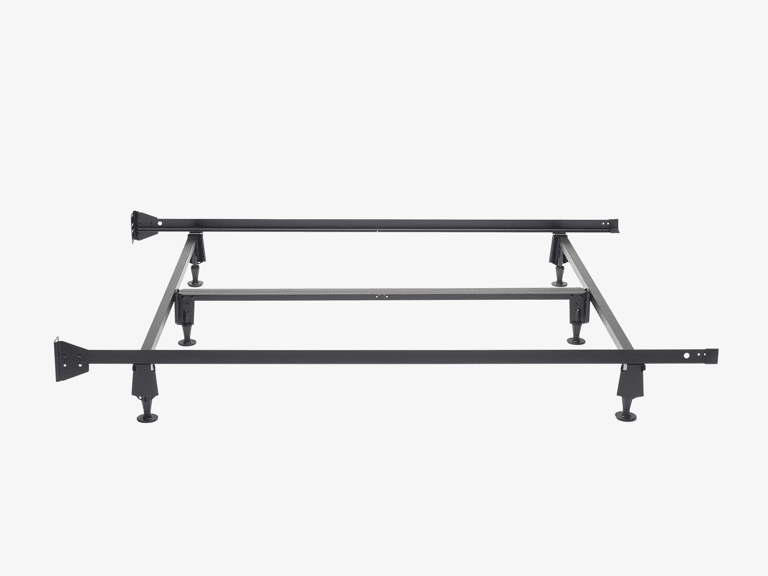
Within the context of thoughtful bedroom design, certain product offerings embody the principles described above. For example, a sturdy foundation built from 100% recycled steel with tool-free assembly demonstrates how modern metal frames can combine ecological responsibility with practical usability. If you are considering a consolidation of sleep components, a steel bed frame designed to pair with a Casper foundation and any Casper mattress in a simple, durable setup illustrates how interoperability can simplify assembly and maintenance while preserving longevity.
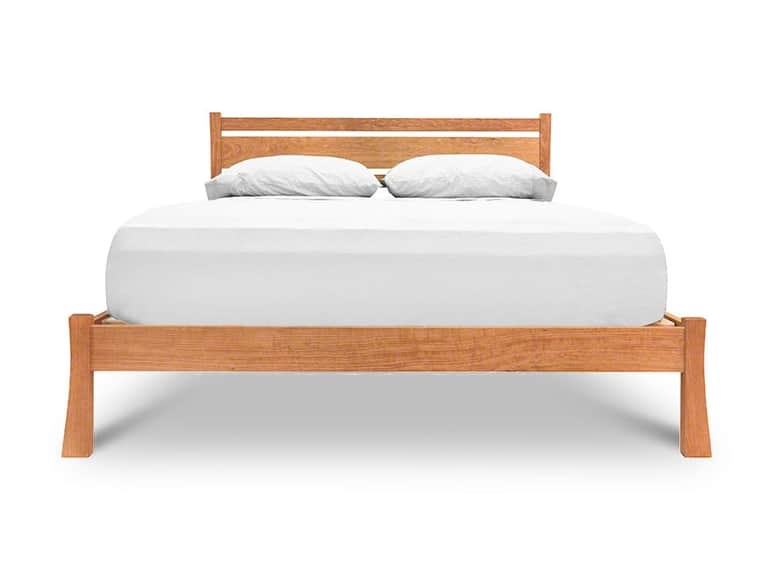
Another example is a horizon-inspired, solid-wood platform interpretation for those seeking a blend of metal and natural materials in a bedroom that leans into a contemporary or rustic motif. While not metal, such designs highlight how frames can interact with other materials to achieve a balanced, durable sleeping environment. When evaluating products, ensure that finishes, dimensions, and weight capacities align with your mattress system and room layout. If a store lists several frame options, consider how each option will affect the overall experience of comfort, ease of care, and long-term performance.
In a well-curated catalog, a metal bed frame designed for simple assembly, strong support, and compatibility with common foundations can simplify the decision process for busy households. Whether you prioritize maximum weight capacity, minimal visual footprint, or a matte industrial finish, the right frame should feel like a natural partner to your mattress and sleep rituals.
9) Closing reflection: the frame as a quiet amplifier of sleep
A bed frame is more than metal and joints; it is a framework for daily life—an anchor for rest and a stage for morning routines. In choosing a frame, you are selecting a partner that will endure the demands of nightly use, seasonal changes in your home, and the evolving needs of your occupants. The most enduring frames are those designed with intention: sturdy construction, corrosion-resistant finishes, and a design language that echoes the room’s broader character.
As you walk the showroom or browse online, pause to feel the difference between a frame that resists wobble and one that yields under pressure. Listen for the difference in how the joint behaves when you shift weight at the edge of the bed. The right frame harmonizes with your entire sleep ecosystem, from mattress to foundation to top-layer accessories, and ultimately helps you enter sleep with steadiness and grace.
Related reading and practical resources
Glossary items you may wish to explore include terms like bed rails, headboard, footboard, cross-bracing, and weight capacity ratings. Maintenance checklists and safety considerations are useful companions to any purchase decision, especially for households with children or high-traffic bedrooms. For deeper technical details, consult manufacturer specifications and warranty documents, which provide critical information about load limits, finish warranties, and installation procedures.
Product highlight
Featured product: Metal Bed Frame. A sturdy, 100% recycled steel frame designed for simple, tool-free assembly. It pairs with foundations and mattresses to create a streamlined, durable sleep setup. This frame emphasizes dependable support in a minimal form factor and prioritizes straightforward function.
Link to product: Metal Bed Frame