 Bedding
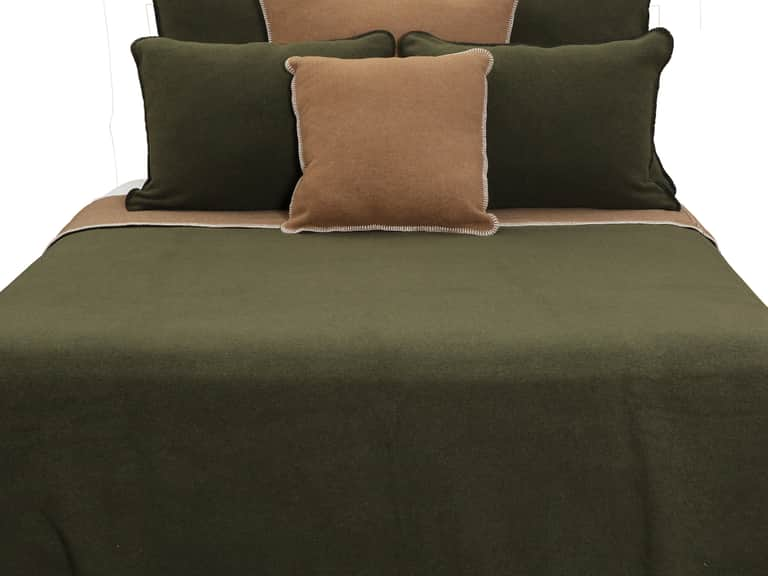
Solid Sage Bedspread
Create a cozy, personalized bed ensemble with six washable-wool colors to mix and match, layer and swap in seconds—durable, soft, and machine-friendly for effortless everyday care.
Blankets and quilts in this category emphasize comfort, warmth, and appropriate layering for varied seasons. Materials range from breathable cotton blends to lightweight synthetic fabrics, with construction designed to regulate microclimates and reduce heat retention. Understanding fabric weight, weave, and fill helps match bedding to sleep preferences and environmental conditions.
Key features commonly highlighted include thermal insulation, moisture-wicking properties, and durability over time. Quilts often use multiple quilted layers for even warmth, while blankets may offer reversible textures or reversible finishes for versatility. Knowledge of fiber content and care guidelines supports long-term performance and easy maintenance.
Within this category, the Solid Sage Bedspread showcases a cohesive aesthetic and practical benefits through its solid color and smooth texture. Such bedcovers can provide a cohesive top layer that reduces drafts, protects underlying linens, and adds a finishing touch to bedroom design while maintaining comfort and airflow.
Understanding uses for blankets and quilts involves considering seasonal transitions, bed sizes, and layering strategies. For example, a medium-weight quilt can serve as a primary cover in mild climates or act as an additional layer beneath a heavier comforter in cooler environments, enhancing sleeping warmth without bulk.
Meta keywords relevant to this category include bedding, sheets, organic mattresses, adjustable beds, and natural latex organic mattresses. By aligning product materials and construction with these topics, the content supports educational inquiries about how blanket and quilt selections influence sleep quality, climate control, and overall bedroom comfort.
Bedding