Foam mattresses represent a core option in modern sleep systems, combining varying foam densities and layering to balance support, contouring, and motion isolation. In the foam category, primary distinctions include memory foam, polyfoam, and latex-infused constructions, each contributing to pressure relief and spinal alignment tailored to individual sleep weights and positions.
Understanding material composition helps compare comfort and durability in foam mattresses. Memory foam provides slow, deep conformity that benefits pressure points, while high-density polyfoam offers robustness and foundational support. Latex-infused foams introduce responsiveness and cooling properties, supporting different sleep styles without excessive sinkage.
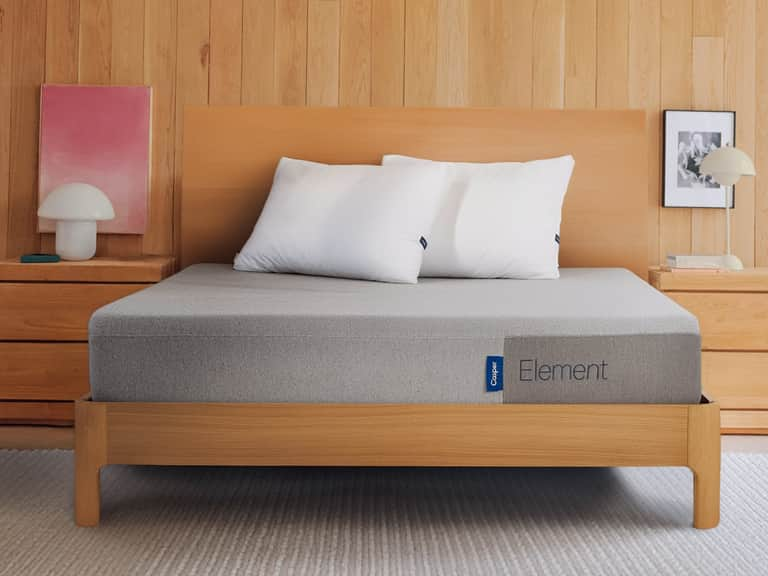
The Element Mattress exemplifies a carefully engineered foam solution, pairing a top comfort layer with targeted support below to promote even alignment of the hips, shoulders, and lower back. Functional benefits include reduced motion transfer for couples and improved overall body contouring, contributing to restful, uninterrupted sleep cycles.
Key features to consider include foam density, open-cell vs closed-cell structures, thickness of comfort layers, and edge support. Foam mattresses often employ cooling technologies such as perforated or gel-infused foams to maintain a balanced sleep temperature, while zoned or layered designs address regional support needs across the body.
In the context of bedding and sleep systems, foam mattresses interact with foundations, sheets, and adjustable bases to influence overall comfort. Material choices, including organic or natural latex integrations, can impact durability, breathability, and feel, aligning with varied preferences for restorative sleep and long-term wellness.
 Mattresses